Focus Areas and Programs
Near East Foundation’s program strategy centers around three interrelated focus areas where we can add value that meets immediate needs and supports our partner communities’ unique development priorities. Our twelve distinct programs offer durable tactics that address the root causes of challenges and create pathways for transformative change.
Inclusive Economic Development
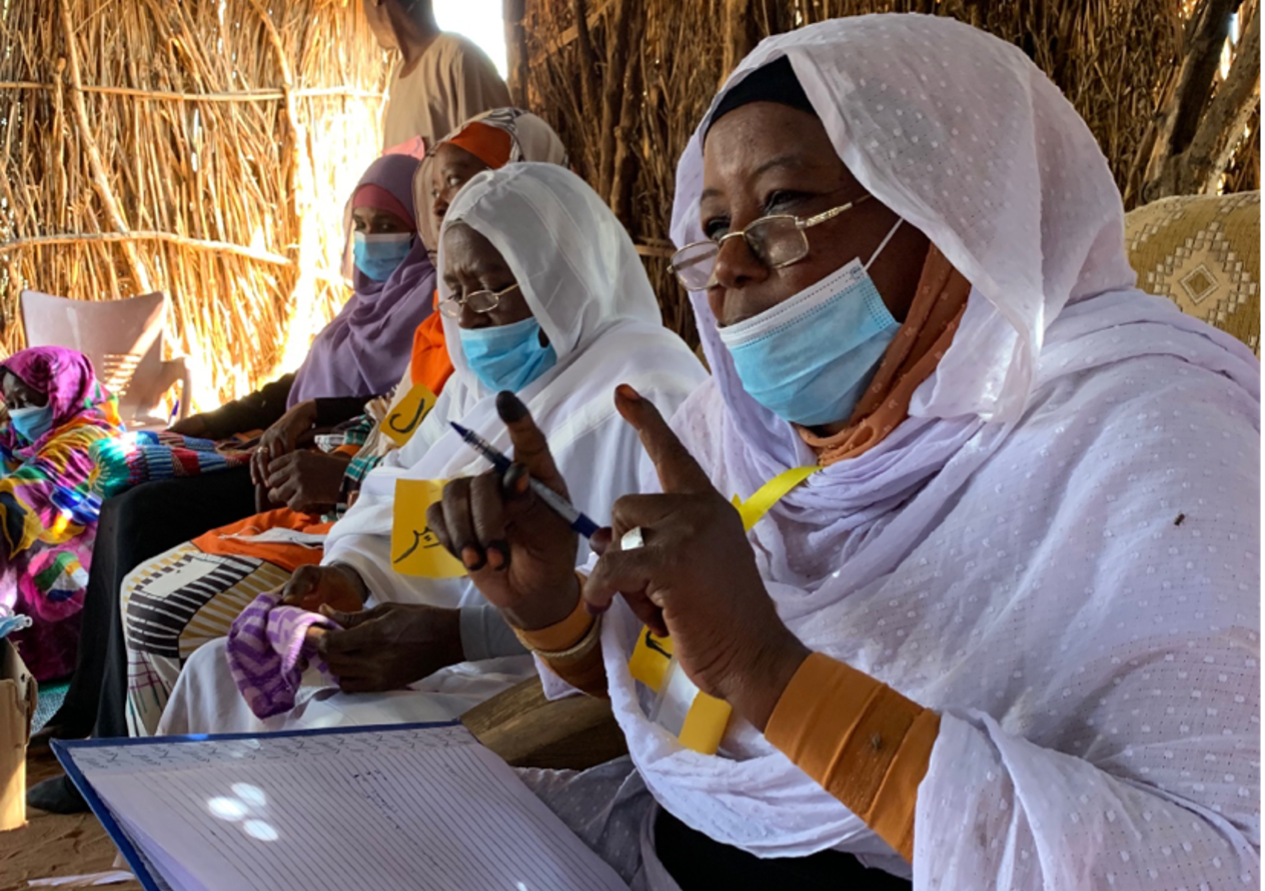
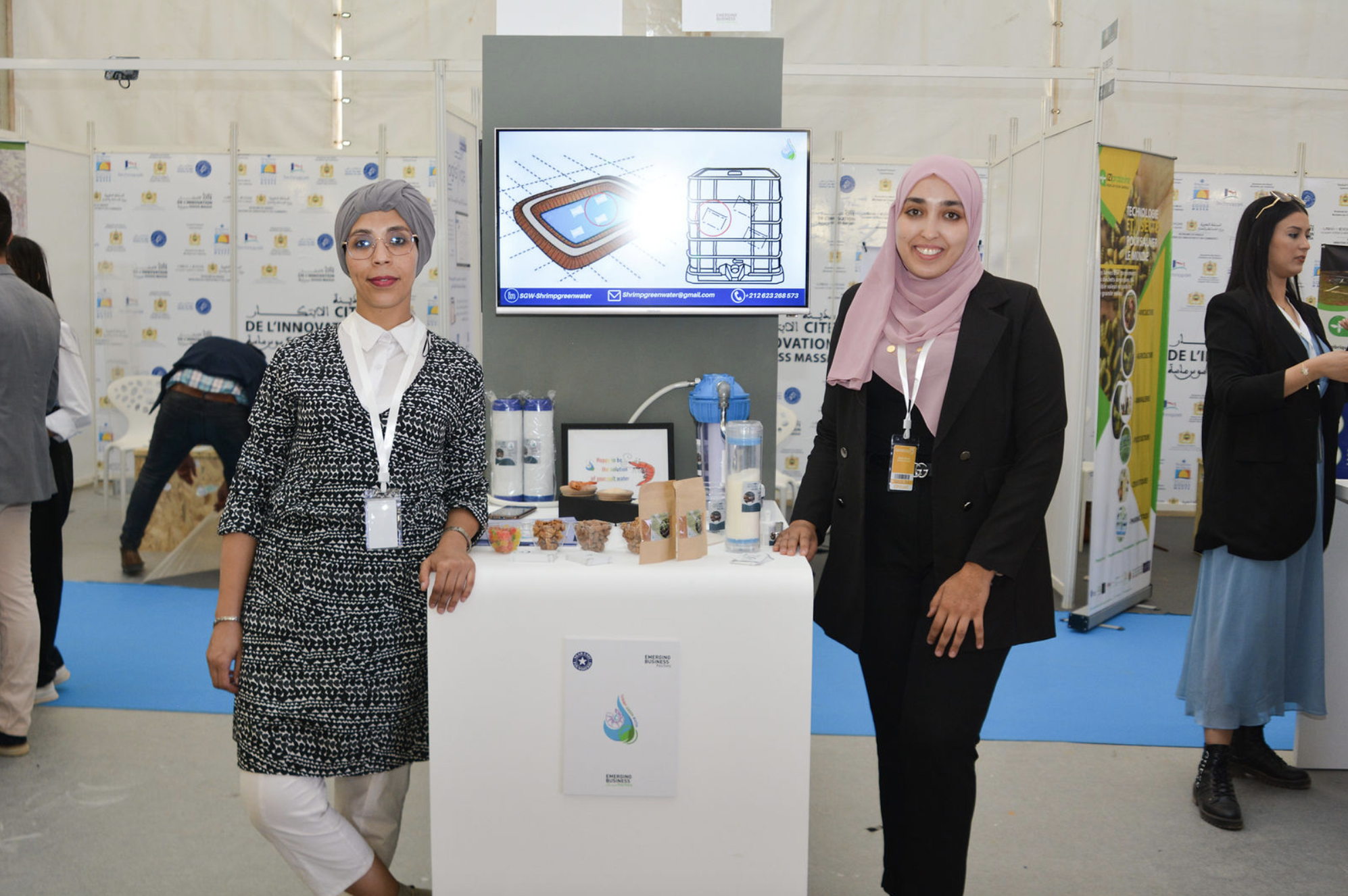
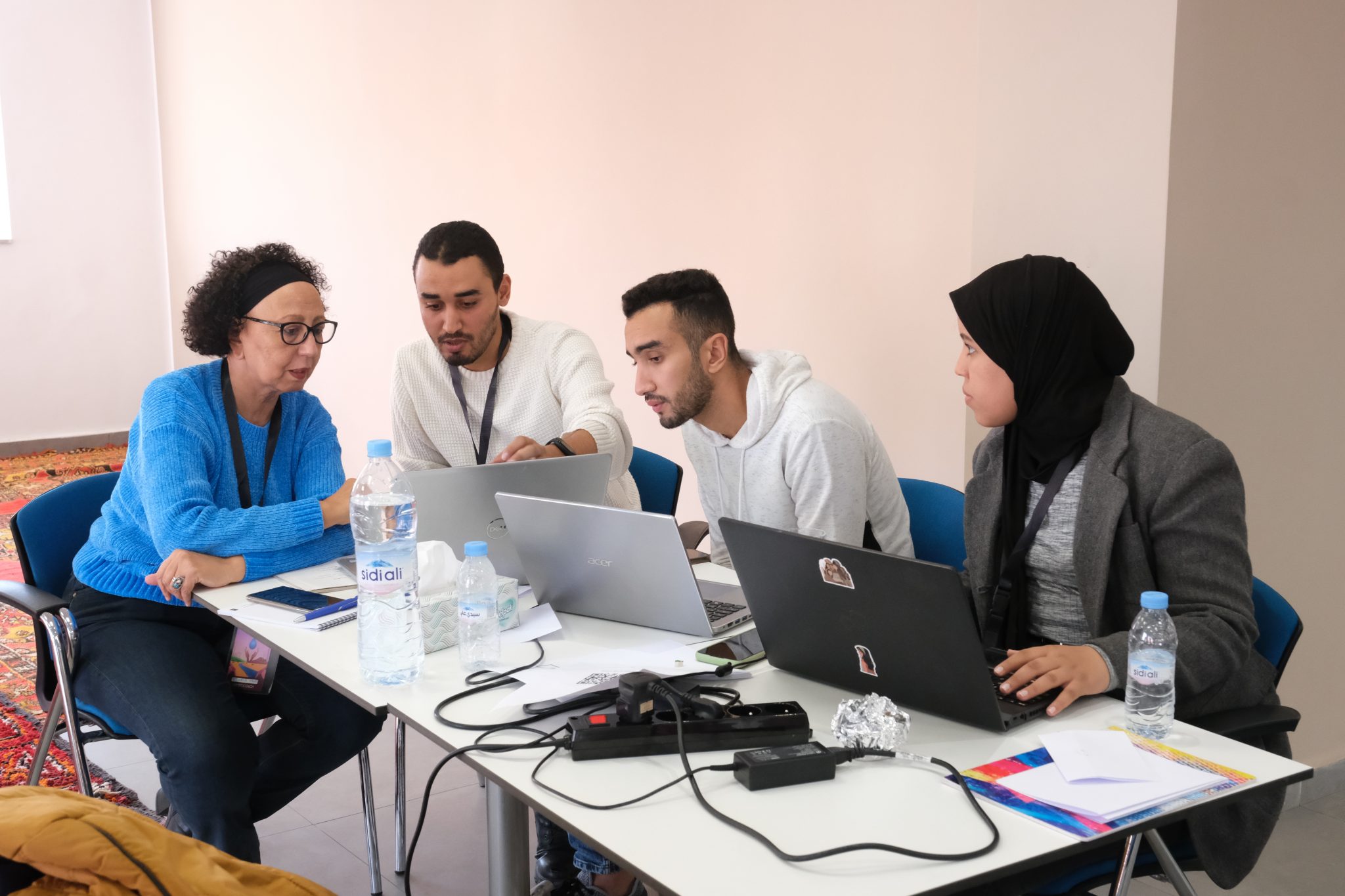
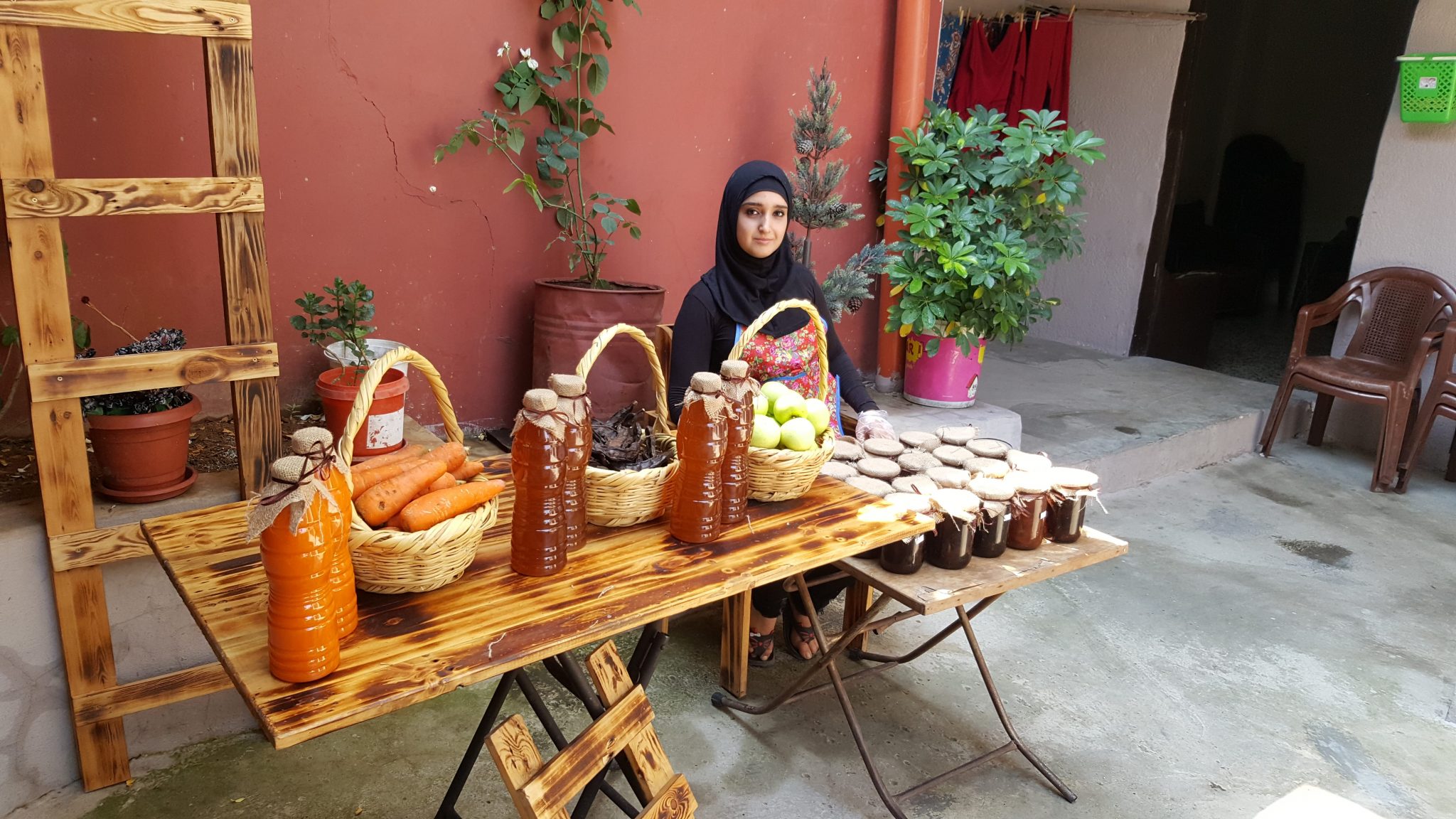
In partnership with local stakeholders, NEF promotes the economic independence and social resilience of marginalized women, men, and young people through entrepreneurship, access to finance, market support, and peer networks that provide business mentoring and social support.


Stabilization and Peacebuilding
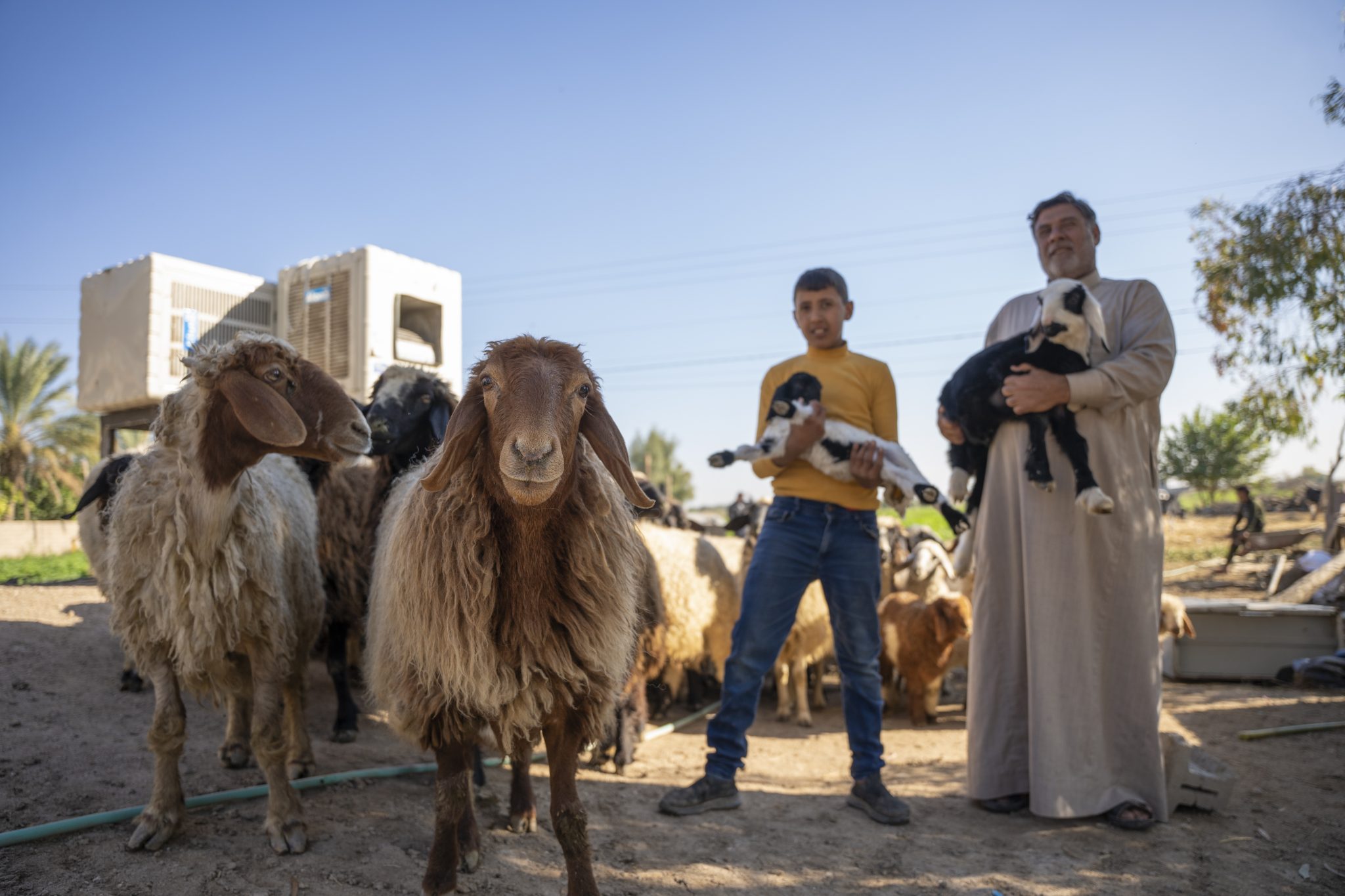
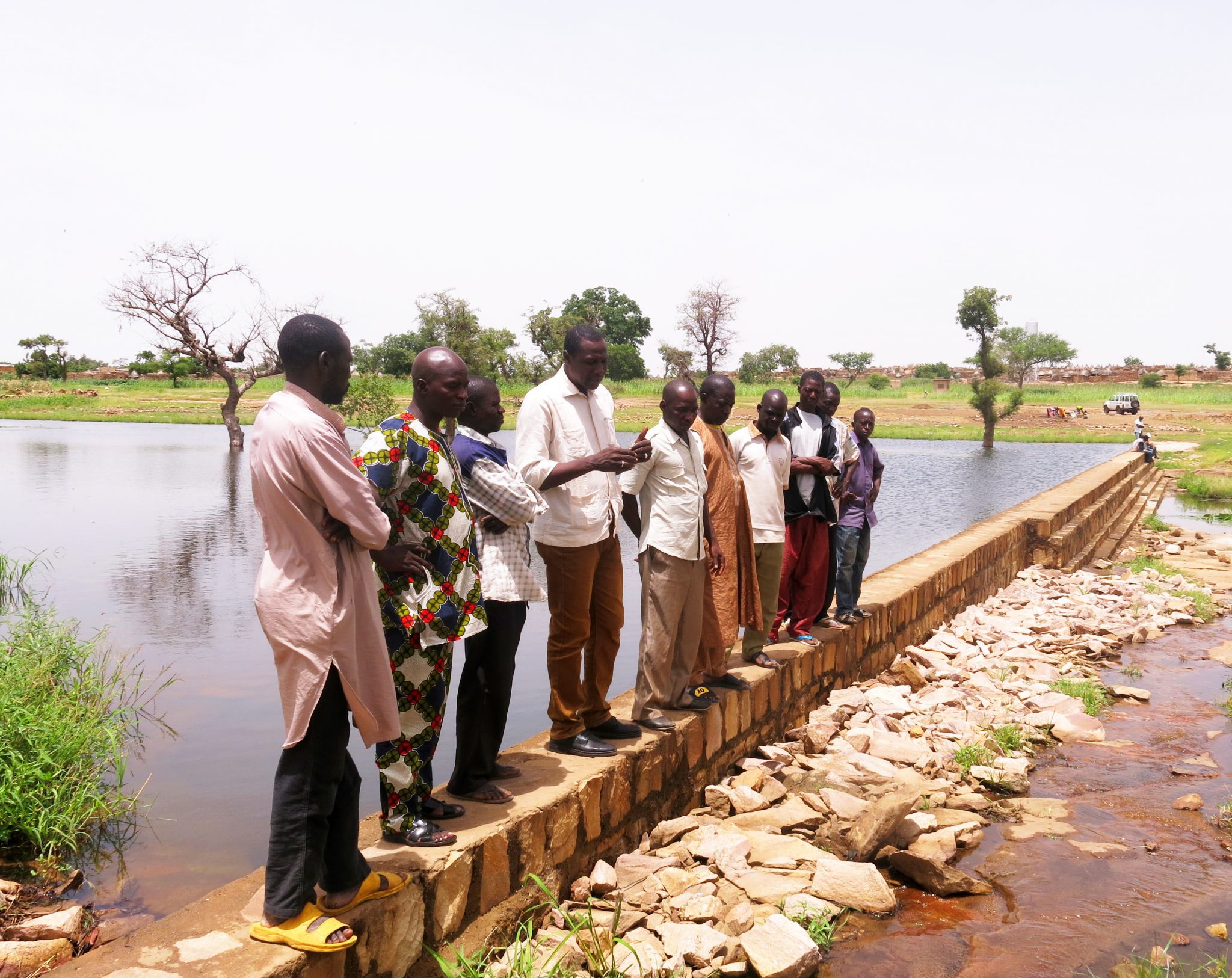
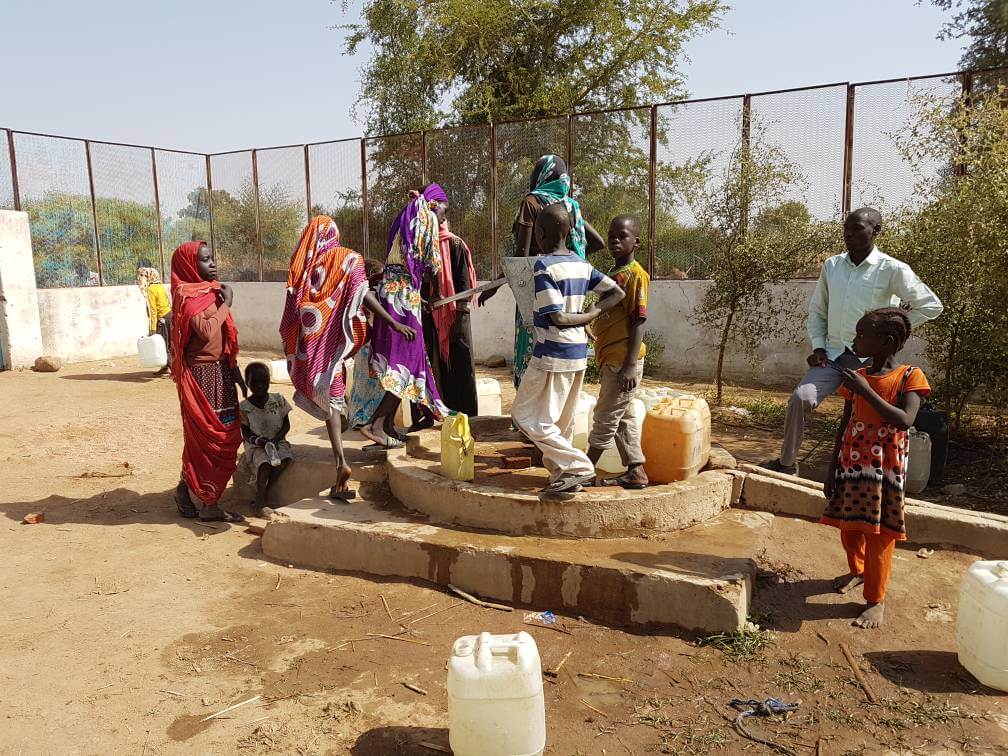
NEF leverages and adapts sustainable economic development and resilience strategies to help fragile and conflict and crisis-affected people and communities bridge relief to recovery and reconciliation, rebuild trust, reestablish their livelihoods, and strengthen economies, civil society and governance systems.
Climate Resilient Development
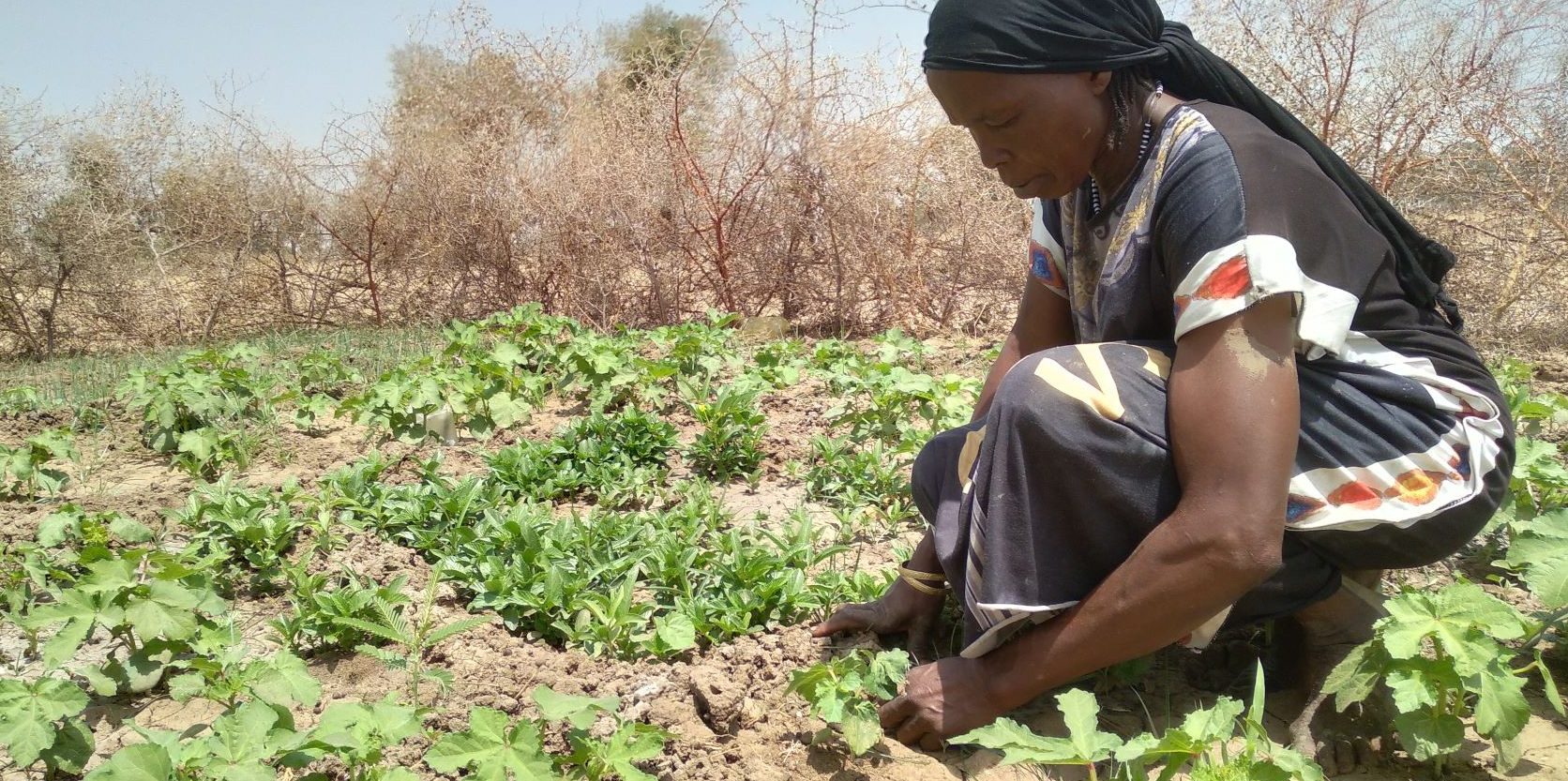
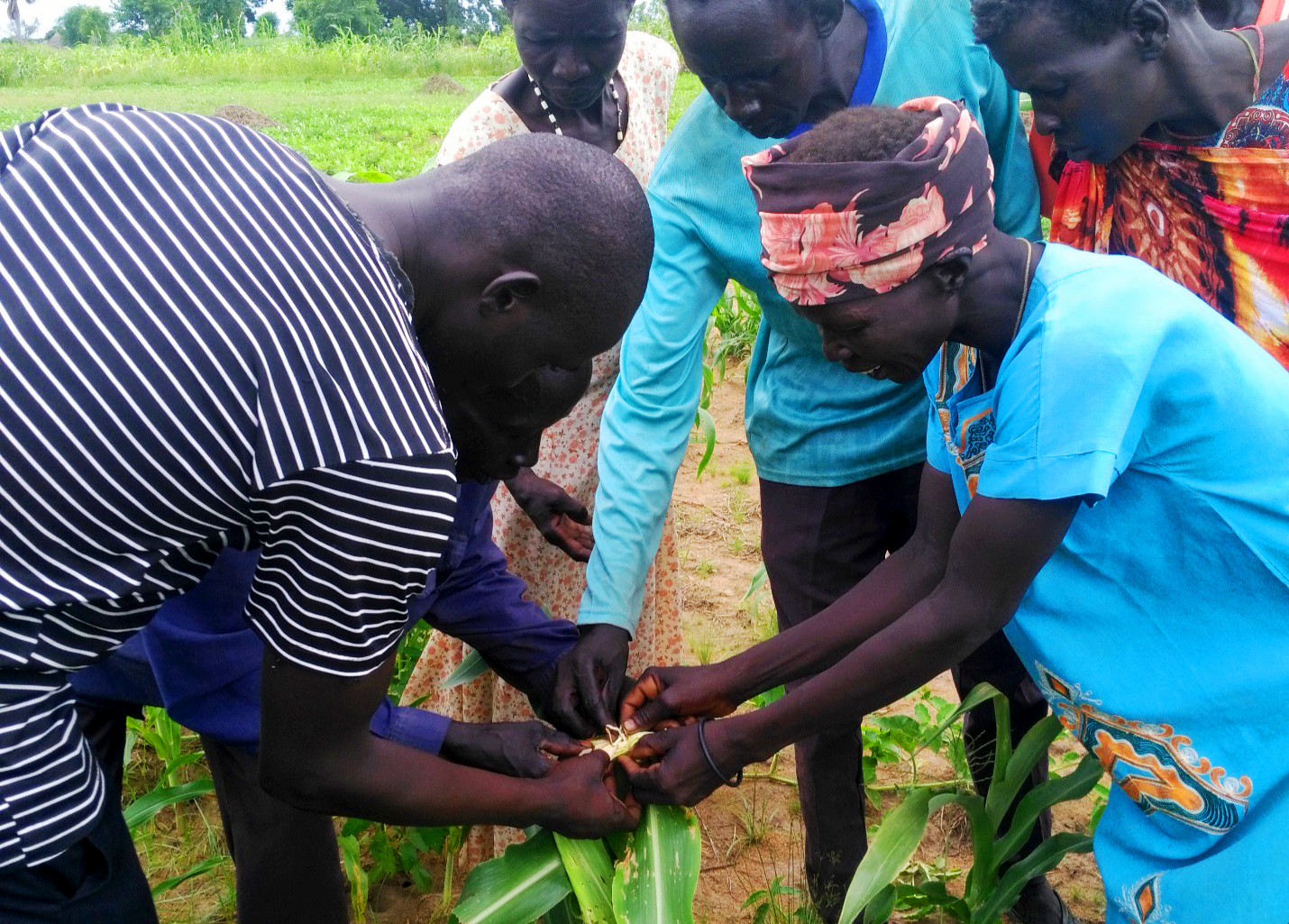
In response to the climate crisis, NEF works in partnership with frontline people and communities to support them to become more resilient through inclusive, locally driven adaptation, improved resource governance and nature-based solutions, investments in community assets and innovative livelihoods.